The investor case

Why house & land is how smart investors build wealth.

A brand-new build on the right block is one of the most tax-effective, lowest-hassle ways to grow a property portfolio — and since the 2026–27 Federal Budget, it's the only residential purchase that keeps full negative gearing. Here's the case, in plain English.

A couple settling into their brand-new investment-grade homeBrand-new · tenant-ready
Four advantages

What makes the numbers work

New-build tax

Maximum depreciation

A new home unlocks the highest depreciation deductions the ATO allows — capital works plus brand-new fixtures and fittings — improving after-tax cashflow from year one.

Yield

Stronger yields, lower entry

Land in growth corridors costs less than established suburbs, while a new home commands premium rent — a healthier yield on a smaller outlay.

Capital growth

Growth-corridor upside

We place investors where infrastructure, jobs and population are heading — not where prices have already peaked.

Turnkey

Turnkey & low-maintenance

New homes come with builder warranty and minimal upkeep, so your investment works hard while you don't have to.

2026–27 Federal Budget · announced 12 May 2026

Negative gearing is now a new-build advantage.

From 1 July 2027, negative gearing on residential property is limited to new builds. Buy established, and rental losses can no longer offset your salary. Buy an eligible new build — like a house-and-land package — and the classic wealth-building strategy still works, in full.

Established property

Purchased after 7:30pm, 12 May 2026
Rental losses can no longer be deducted against your salary or other income from 1 July 2027
Losses only offset rental income, or are carried forward to future years
50% CGT discount replaced by cost-base indexation and a 30% minimum tax on gains
Eligible new builds

House & land — new build

The exemption the Budget carved out
Negative gearing retained — losses still deductible against salary and other income
Your choice of CGT treatment — keep the 50% discount or use the new indexation rules
Maximum depreciation on a brand-new home, compounding the tax position from year one
12 MAY 2026
Changes announced — established purchases after this date are captured
1 JUL 2027
New rules commence for negative gearing and CGT
NEW BUILDS
Exempt — full negative gearing and choice of CGT treatment

Based on measures announced in the 2026–27 Federal Budget and subject to the passage of legislation. Eligibility criteria apply to “new build” status, and properties held before Budget night are grandfathered under existing rules. This is general information only, not tax advice — consider advice from a registered tax professional about your circumstances.

Stacked advantages

And the quieter wins on top

Duty

Stamp duty on the land only

In most states, duty on a package is generally payable on the land component alone — often substantially less than an established home of the same value.

Warranty

Builder warranty cover

Statutory builder warranties protect the structure for years — a layer of protection established homes simply don't have.

Tenants

Premium tenant appeal

Brand-new homes attract quality tenants faster and command premium rent against tired established stock.

Control

Fixed-price certainty

A fixed-price build contract gives you cost certainty from day one, with progress payments as construction hits each stage.

General information only · rules vary by state and circumstances · seek independent advice

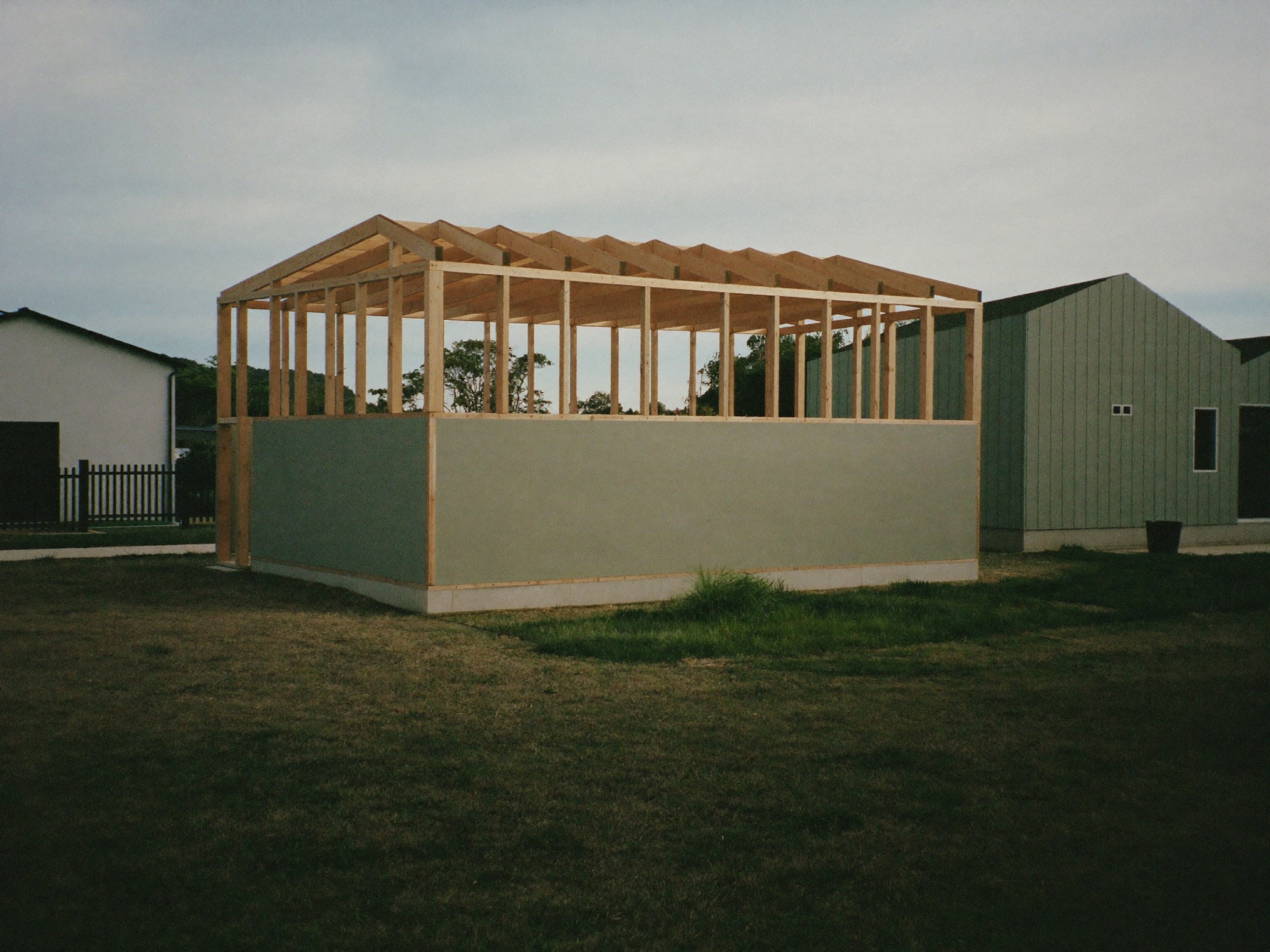
A new home at frame stage in a growth-corridor estateFixed-price build · progress payments by stage
Questions, answered

House & land investing FAQs

What is a house and land package?+
A house and land package combines a block of land in a new estate with a contract to build a brand-new home on it, usually with a fixed-price build. For investors it means a brand-new, tenant-ready property in a growth corridor — with the tax advantages that only apply to new builds.
Why do investors choose house and land over established property?+
Four main reasons: new builds attract the highest depreciation deductions; land in growth corridors costs less to enter while new homes command premium rent; a new home comes with builder warranty and low maintenance; and since the 2026–27 Federal Budget, new builds are the only residential purchase that retains full negative gearing.
What changed for negative gearing in the 2026 Federal Budget?+
From 1 July 2027, negative gearing on residential property is limited to new builds. Investors who buy established property after 7:30pm on 12 May 2026 can no longer deduct rental losses against salary or other income — losses only offset rental income or carry forward. Eligible new builds are exempt and keep full negative gearing. The measures were announced in the 2026–27 Budget and are subject to the passage of legislation.
Do new builds keep the capital gains tax discount?+
Under the announced changes, investors in eligible new builds can choose between the existing 50% CGT discount and the new cost-base indexation arrangements — whichever works better for them. For other assets, the 50% discount is replaced by indexation and a 30% minimum tax on gains from 1 July 2027. Seek advice from a registered tax professional about your circumstances.
What depreciation can I claim on a new build?+
A brand-new home generally allows you to claim both capital works deductions on the building and depreciation on brand-new fixtures and fittings — the highest deductions available under ATO rules, because nothing has been previously used. A quantity surveyor prepares a depreciation schedule; your accountant applies it. Exact amounts depend on the property.
Is stamp duty lower on a house and land package?+
In most states, transfer (stamp) duty on a house and land package is generally payable on the land component only, because the home hasn't been built at contract date — which can mean substantially less duty than buying an established home of the same total value. Rules vary by state, so confirm for your situation.
Are house and land packages good for first-time investors?+
They can be — the lower entry price of corridor land, fixed-price builds, builder warranty and strong tax treatment reduce several of the risks that catch first-time investors. The key is buying where the growth fundamentals stack up, with finance structured properly, which is exactly what our process is built to do.
How does Greenline choose the packages it recommends?+
Every package passes the same four gates: suburb-level data and analytics (growth drivers, supply, vacancy, demand), cashflow modelling against your budget and tax position, investor-ready finance structuring through Greenline Home Loans, and procurement and settlement managed end-to-end — with Greenline Legal handling contracts.
Your next investment, your best

Let's find the right package for you.

We'll shortlist house-and-land packages matched to your strategy — with finance and legal handled in-house.